
Call us now :08045477157
 Send Inquiry
 Send Inquiry
RST Coaxial Cylinder Rheometer
MOQ : 1 Piece
RST Coaxial Cylinder Rheometer Specification
- Protection
- IP 20
- Pressure Range
- Atmospheric (optional pressure cells available)
- Application Media
- Liquids, dispersions, pastes, gels
- Measurement Range
- 0.011500 rpm (rotation speed); 0.1300 mNm (torque)
- Capacity
- Variable, based on measuring system
- Sensor Type
- Torque sensor, Rotation speed encoder
- Equipment Type
- Coaxial Cylinder Rheometer
- Resolution
- 0.1 rpm (speed); 0.1 mNm (torque)
- Diameter
- Sample cylinder: 27 mm (standard)
- Frequency
- 50/60 Hz
- Temperature Range
- 0C to +180C with Peltier or temperature control
- Humidity %
- Non-condensing, up to 80% RH
- Connectivity Type
- USB, Ethernet
- Material
- Stainless Steel (measuring system), Anodized Aluminum (casing)
- Power Supply
- 230 V, 50/60 Hz (standard mains supply)
- Power Consumption
- Approx. 75 W
- Accuracy
- 1% of measuring value
- Display Type
- Color Touchscreen Display
- Range
- Dynamic viscosity: 1 mPas to 10000 Pas
- Operating Modes
- Rotational, Creep, Step, Oscillation
- Software
- RheoCompass compatible (PC software)
- Sample Volume
- Approximately 17 mL (for standard CC measuring system)
- Weight
- Approx. 12 kg
- Compliance Standards
- CE, ISO 3219, DIN 53019
- Data Storage
- Internal memory and external via USB
- User Interface
- Multilingual interactive touchscreen
- Accessories
- Various measuring systems, temperature control units, and spindles available
RST Coaxial Cylinder Rheometer Trade Information
- Minimum Order Quantity
- 1 Piece
- Supply Ability
- 5 Pieces Per Day
- Delivery Time
- 2-6 Week
- Main Domestic Market
- Chandigarh, Punjab, Delhi, Haryana, Himachal Pradesh, Rajasthan, Uttar Pradesh, Uttarakhand
About RST Coaxial Cylinder Rheometer
Rheological evaluation through controlled stress and controlled rate measurements offer superior viscosity profiling, thixotropic response, yield stress determination and creep analysis. The RST-CC Rheometer offers powerful flow characterization tools including ramp, loop, and single point testing. A wide range of shear rate, shear stress, and torque provide flexible flow analysis including creep and yield measurement. The RST-CC Rheometer is designed to accommodate the high throughput required of quality control laboratories providing cost effective, worry free operation for a variety of laboratory applications.
Advanced Measurement Versatility
With a dynamic viscosity measurement range from 1 mPas to 10000 Pas and rotational speeds between 0.01 and 1500 rpm, the RST Coaxial Cylinder Rheometer accommodates a wide array of sample types and testing requirements. The device's high-resolution torque sensor and encoder provide reliable readings for applications in pharmaceuticals, chemicals, food, and other industries.
Intuitive User Experience
Featuring a multilingual interactive touchscreen, the rheometer's user interface guides users through setup, measurement, and data analysis. RheoCompass PC software offers advanced data evaluation and reporting capabilities, while connectivity through USB and Ethernet simplifies integration into laboratory workflows.
Customizable for Varied Applications
Compatible with various measuring systems, temperature control units, and spindles, this rheometer adapts to specific testing challenges. Its robust construction using stainless steel and anodized aluminum ensures durability, while its moderate weight makes it suitable for both benchtop and mobile laboratory setups in India and globally.
FAQ's of RST Coaxial Cylinder Rheometer:
Q: How does the RST Coaxial Cylinder Rheometer ensure measurement accuracy?
A: The rheometer uses a high-precision torque sensor and rotation speed encoder, delivering measurement accuracy within 1% of the measured value. Compliance with CE, ISO 3219, and DIN 53019 standards further guarantees reliable performance in quality control and research applications.Q: What types of samples can be tested with this rheometer?
A: The instrument is designed for liquids, dispersions, pastes, and gels, making it suitable for use in industries including pharmaceuticals, food, chemicals, and cosmetics. Its standard sample volume of approximately 17 mL ensures efficient testing even with limited materials.Q: Where can I store or export test data from the device?
A: Test data can be saved directly to the rheometer's internal memory or exported via USB flash drive. For advanced analysis, data can also be managed using the RheoCompass software on a connected PC, thanks to USB and Ethernet connectivity.Q: When should I use different measuring systems or spindles?
A: Different measuring systems, spindles, and temperature control units are available to optimize measurement conditions according to sample viscosity, temperature sensitivity, and the specific application. Selection depends on your analysis requirements and desired measurement precision.Q: What benefits does the multilingual interactive touchscreen provide?
A: The color touchscreen offers an intuitive user interface in multiple languages, making setup, calibration, operation, and data review more accessible and efficient for users across different regions or with varying language preferences.Q: How can I control and monitor sample temperature during measurements?
A: The RST Coaxial Cylinder Rheometer supports temperature control from 0C to +180C using optional Peltier or external temperature control units. This ensures precise thermal conditions for accurate rheological measurements in temperature-sensitive samples.Q: What is the recommended power supply for operating the device in India?
A: The rheometer operates on a standard mains supply of 230 V at 50/60 Hz with an approximate power consumption of 75 W, making it suitable for most laboratory environments in India.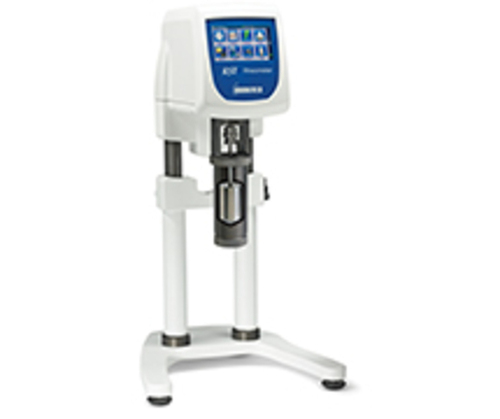
Tell us about your requirement

Price:
Quantity
Select Unit
- 50
- 100
- 200
- 250
- 500
- 1000+
Additional detail
Mobile number
Email

More Products in Rheometers Category
Cone Plate Wells Brookfield Rheometer
Price Range 300000.00 - 600000.00 INR / Piece
Minimum Order Quantity : 1 Piece
Connectivity Type : RS232/USB output
Accuracy : 1% of full scale
Display Type : Other, Digital LCD display
Humidity % : 80% noncondensing
RST Soft Solids Tester Rheometer
Price Range 300000.00 - 600000.00 INR / Piece
Minimum Order Quantity : 1 Piece
Connectivity Type : USB and Ethernet
Accuracy : 0.5% of full scale
Display Type : Other, 7 Touchscreen LCD
Humidity % : 10% to 80% RH (noncondensing)
PVS Rheometer
Price Range 300000.00 - 600000.00 INR / Piece
Minimum Order Quantity : 1 Piece
Connectivity Type : USB, RS232 interface
Accuracy : 0.5%
Display Type : Other, Digital LCD
Humidity % : Up to 90% RH, noncondensing
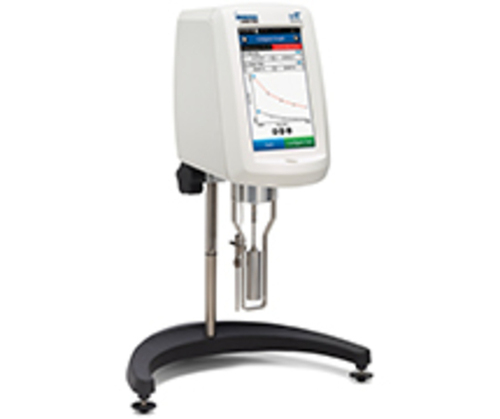
DV3T Touch Screen Rheometer
Price Range 300000.00 - 600000.00 INR / Piece
Minimum Order Quantity : 1 Piece
Connectivity Type : USB, Ethernet, RS232
Accuracy : 1.0% of range
Display Type : Other, 7 inch full color touch screen
Humidity % : 1090% RH (noncondensing)


 Send Inquiry

Our Products
- Lovibond Colour Measurement Instruments
- Lovibond Water Testing Equipments
- Water Purification Systems
- SOCOREX Precision Liquid Volumetry
- Laboratory Viscometers
- Rheometers
- BLUESEN SMART WATER ANALYZERS
- Testing and Measuring Equipment
- Online Turbidity Meter
- Electrical Testing and Measuring Equipment
- Multifunction Meter
- Measuring tools and Equipment
- Digital Sensor

Plot No. 6, Club Drive, M.G. Road, GhitorniNew Delhi - 110030, India

Mr Sumit Bhatia
(Director)
Mobile :08045477157
 Send Inquiry
 Send SMS
 Call Me Free
Developed and Managed by Infocom Network Private Limited.
 English
 Spanish
 French
 German
 Italian
 Chinese (Simplified)
 Japanese
 Korean
 Arabic
 Portuguese