
Call us now :08045477157
 Send Inquiry
 Send Inquiry
Dial Reading Viscometer
MOQ : 1 Piece
Dial Reading Viscometer Specification
- Connectivity Type
- Manual, No Digital Connectivity
- Frequency
- 50 Hz
- Measurement Range
- 10 - 100,000 cP
- Resolution
- 0.1 cP
- Temperature Range
- Ambient
- Capacity
- Varies by spindle used
- Sensor Type
- Mechanical Spindle
- Material
- Stainless Steel & Powder Coated Body
- Power Supply
- 230V AC, 50 Hz
- Power Consumption
- 15 W
- Accuracy
- ±1% of full scale
- Display Type
- Mechanical Dial
- Range
- 10 to 100,000 cP
- Operation
- Manual, user-operated crank or motor
- Sample Volume
- Typically 20-40 ml
- Spindle Set
- Comes with multiple interchangeable spindles
- Compliance Standard
- ASTM D2196, ISO 2555
- Rotational Speed Options
- Multiple selectable speeds
- Application Area
- Laboratory, Quality Control, Research
- Mounting Type
- Bench-top
- Viscosity Measurement
- Direct reading on dial
Dial Reading Viscometer Trade Information
- Minimum Order Quantity
- 1 Piece
- Supply Ability
- 5 Pieces Per Day
- Delivery Time
- 2-6 Week
- Main Domestic Market
- Chandigarh, Punjab, Delhi, Haryana, Himachal Pradesh, Rajasthan, Uttar Pradesh, Uttarakhand
About Dial Reading Viscometer
The original Brookfield Dial Reading Viscometer has been the lab standard used around the world since 1934. Current units have been been improved with a multi-speed electronic drive and ergonomically designed speed control knob so selection of any one of the 10 pre-set speeds (8 speeds on LVT models) is quick and easy. The direct-drive design results in extremely quiet operation and greater versatility while the universal power supply facilitates the use of worldwide power sources.
Versatility with Multiple Spindles and Speed Settings
This viscometer offers flexible rotational speed adjustments and comes with a complete set of interchangeable spindles. Users can select the appropriate spindle and speed according to the samples viscosity and test requirements, enabling optimal performance across a wide measurement range.
Direct, Accurate Viscosity Measurement with Mechanical Reliability
Obtain direct viscosity readings instantly from the mechanical dial, eliminating the need for complex calculations or digital conversions. With 1% full-scale accuracy and 0.1 cP resolution, this instrument ensures reliable and precise measurements every time.
Adherence to International Quality Standards for Laboratory Use
Compliant with both ASTM D2196 and ISO 2555, this viscometer fulfills stringent industry and research standards. Its robust construction and manual operation make it a dependable choice for routine quality control and research applications.
FAQs of Dial Reading Viscometer:
Q: How does the dial reading viscometer measure viscosity?
A: The viscometer measures viscosity using a mechanical spindle that rotates in the sample fluid. The resistance to this rotation is read directly from the mechanical dial, providing an immediate and accurate viscosity value.Q: What types of samples and volumes can be tested with this viscometer?
A: This instrument is ideal for laboratory samples ranging from 10 to 100,000 cP viscosity, requiring a sample volume of approximately 2040 ml. The interchangeable spindles allow for testing fluids of differing consistencies and volumes.Q: When should I use different spindles in the viscometer?
A: Different spindles are used for fluids with varying viscosities. Selecting the appropriate spindle ensures accurate measurement within the instruments specified range, based on the samples thickness and the expected viscosity.Q: Where is this viscometer commonly applied?
A: The device is predominantly used in laboratory, quality control, and research environments throughout India. Its compliance with international standards makes it suitable for both routine and advanced testing applications.Q: What is the process for operating the viscometer?
A: To operate the viscometer, mount the correct spindle, fill the sample container, and set the desired rotational speed. The viscosity value can then be read directly from the dial after the spindle stabilizes in the sample.Q: What are the main benefits of using a mechanical dial viscometer?
A: This viscometer offers direct, quick readings with high accuracy and reliability. Its manual design eliminates the need for digital interface or connectivity, ensuring ease of use and minimal maintenance in various lab settings.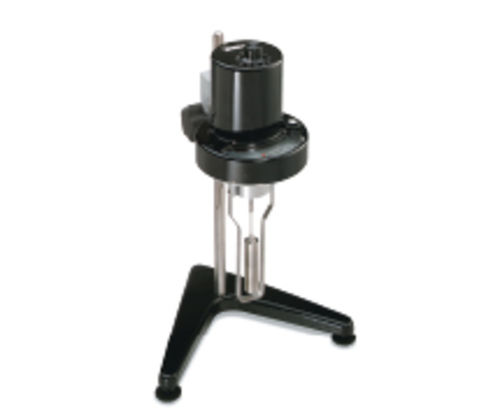
Tell us about your requirement

Price:
Quantity
Select Unit
- 50
- 100
- 200
- 250
- 500
- 1000+
Additional detail
Mobile number
Email

More Products in Laboratory Viscometers Category
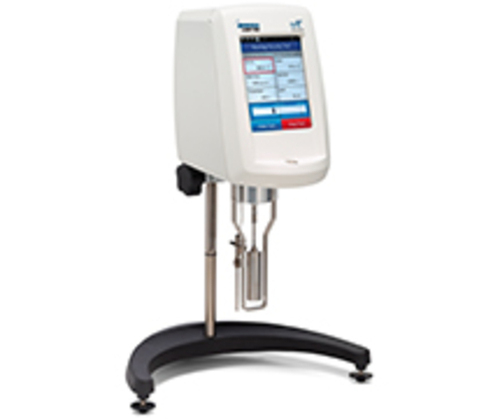
DV2T Touch Screen Viscometer
Price Range 300000.00 - 600000.00 INR / Piece
Minimum Order Quantity : 1 Piece
Material : Stainless Steel Spindle, durable housing
Power Supply : 100240V AC, 50/60 Hz
Frequency : 50/60 Hz
Display Type : Other, 7inch FullColor Touch Screen Display
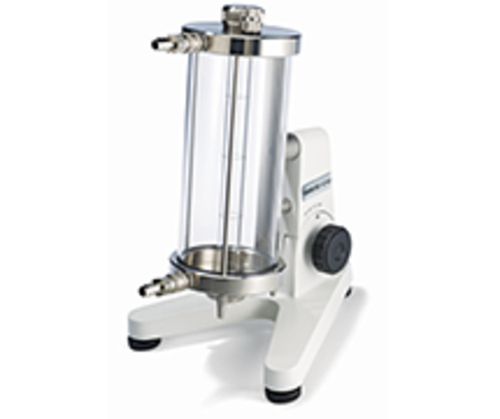
Falling Ball Viscometer
Price Range 300000.00 - 600000.00 INR / Piece
Minimum Order Quantity : 1 Piece
Material : Borosilicate glass tube, Stainless steel balls
Power Supply : 230V AC, 50 Hz
Frequency : 50 Hz
Display Type : Other, Analog scale
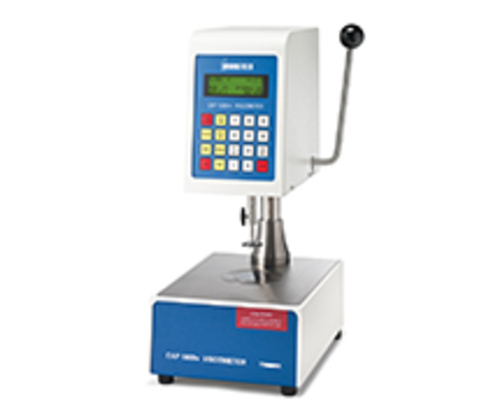
CAP1000 Viscometer
Price Range 300000.00 - 600000.00 INR / Piece
Minimum Order Quantity : 1 Piece
Material : Stainless steel sample cup, Polycarbonate casing
Power Supply : 110V/230V, 50/60Hz AC
Frequency : 50/60 Hz
Display Type : Other, Digital LCD
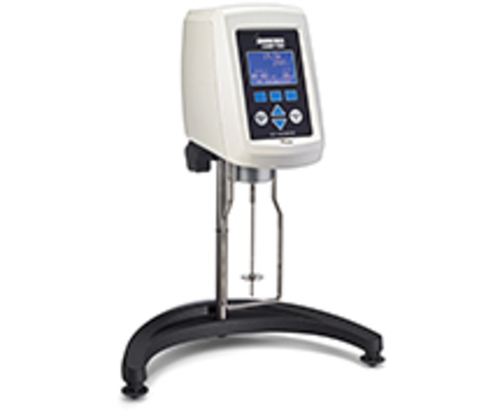
DV1 Digital Viscometer
Price Range 300000.00 - 600000.00 INR / Piece
Minimum Order Quantity : 1 Piece
Material : Stainless Steel (Rotor & Spindle)
Power Supply : 220 V 10%, 50 Hz
Frequency : 50/60 Hz
Display Type : Other, Digital LCD Display


 Send Inquiry

Our Products
- Lovibond Colour Measurement Instruments
- Lovibond Water Testing Equipments
- Water Purification Systems
- SOCOREX Precision Liquid Volumetry
- Laboratory Viscometers
- Rheometers
- BLUESEN SMART WATER ANALYZERS
- Testing and Measuring Equipment
- Online Turbidity Meter
- Electrical Testing and Measuring Equipment
- Multifunction Meter
- Measuring tools and Equipment
- Digital Sensor

Plot No. 6, Club Drive, M.G. Road, GhitorniNew Delhi - 110030, India

Mr Sumit Bhatia
(Director)
Mobile :08045477157
 Send Inquiry
 Send SMS
 Call Me Free
Developed and Managed by Infocom Network Private Limited.
 English
 Spanish
 French
 German
 Italian
 Chinese (Simplified)
 Japanese
 Korean
 Arabic
 Portuguese