
Call us now :08045477157
 Send Inquiry
 Send Inquiry
Falling Ball Viscometer
MOQ : 1 Piece
Falling Ball Viscometer Specification
- Application Media
- Viscosity measurement of transparent Newtonian liquids
- Protection
- Corrosion-resistant enclosure
- Temperature Range
- Up to 120°C (as jacketed with thermostatic bath)
- Pressure Range
- Atmospheric
- Resolution
- 0.1 cP
- Humidity %
- Up to 90% non-condensing
- Sensor Type
- None (uses falling ball method)
- Diameter
- Tube internal diameter 15 mm
- Capacity
- Single sample measurement
- Frequency
- 50 Hz
- Measurement Range
- 0.5 to 10000 cP
- Equipment Type
- Falling Ball Viscometer
- Connectivity Type
- Manual operation, no electronic interface
- Material
- Borosilicate glass tube, Stainless steel balls
- Power Supply
- 230V AC, 50 Hz
- Power Consumption
- 10 W
- Accuracy
- ±1% of full scale
- Display Type
- Analog scale
- Range
- 0.5 to 10000 cP
- Cleaning
- Removable tube for easy cleaning
- Application Standard
- ASTM D5930 or equivalent
- Thermostatic Jacketing
- Fitted for precise temperature control
- Tube Length
- 300 mm (approx.)
- Ball Material
- Stainless steel
- Operation Method
- Visual timing (stopwatch) of ball descent
- Stand
- Metallic support frame with horizontal level adjustment
- Calibration
- Factory calibrated with reference oils
- Number of Balls
- 3 (different diameters/densities for varying ranges)
- Sample Volume
- Approximately 10-20 ml
Falling Ball Viscometer Trade Information
- Minimum Order Quantity
- 1 Piece
- Supply Ability
- 5 Pieces Per Day
- Delivery Time
- 2-6 Week
- Main Domestic Market
- Chandigarh, Punjab, Delhi, Haryana, Himachal Pradesh, Rajasthan, Uttar Pradesh, Uttarakhand
About Falling Ball Viscometer
The Hoppler principle is used to measure the viscosity of Newtonian liquid by measuring the time required for a ball to fall under gravity through a sample-filled tube that is inclined at an angle. The average time of three tests is taken; the result is converted into a viscosity value using a simple formula.
Precision Viscosity Measurement
Engineered for precise determination of liquid viscosity, this viscometer relies on the falling ball principle and visual timing. The instrument accommodates a broad spectrum of viscosity values, thanks to its three stainless steel balls of different sizes and densities, enabling versatile measurements in research, quality control, and industrial applications.
Temperature Control & Easy Maintenance
The device features a thermostatic jacket, supporting precise temperature regulation up to 120C for reliable results. The borosilicate glass tube is removable, streamlining cleaning and sample changes. The instrument's robust, corrosion-resistant enclosure enhances durability, making it ideal for frequent laboratory use.
FAQ's of Falling Ball Viscometer:
Q: How does the Falling Ball Viscometer measure liquid viscosity?
A: The viscometer operates by timing the descent of a stainless steel ball through a transparent Newtonian liquid inside a calibrated borosilicate tube. The measured fall time, combined with the known ball and liquid properties, allows calculation of viscosity.Q: What liquids can be tested with this viscometer?
A: This viscometer is designed for transparent Newtonian liquids within the viscosity range of 0.5 to 10000 cP, making it suitable for a wide array of laboratory and industrial samples.Q: When is the thermostatic jacketing used during viscosity measurement?
A: Thermostatic jacketing is used whenever precise temperature control (up to 120C) is required, ensuring viscosity values are not affected by temperature variations during measurement.Q: Where is the viscometer typically installed or used?
A: It is commonly used in research laboratories, quality assurance departments, and process control settings that require adherence to ASTM D5930 or equivalent standards.Q: What is the process for cleaning the viscometer tube after use?
A: After measurement, the borosilicate tube can be easily removed from the stand for thorough cleaning, ensuring the elimination of any residue and preparing it for the next sample.Q: How does the use of different balls affect measurement range and accuracy?
A: Three stainless steel balls of varying diameters and densities enable accurate measurement over a wide viscosity range. Selection of the appropriate ball for a specific sample optimizes sensitivity and precision.Q: What are the key benefits of manual visual timing in this equipment?
A: Manual visual timing requires no electronic interface, reducing complexity and enhancing reliability. This method allows flexible, intuitive operation and is ideal where electronic connections are not feasible.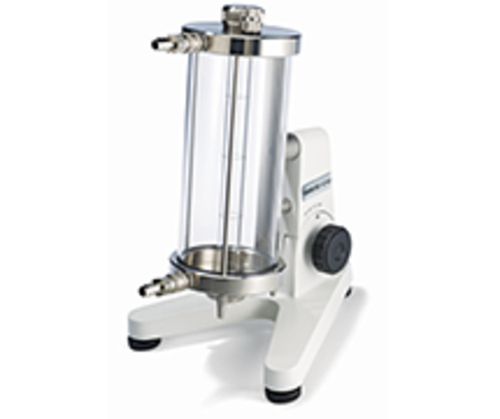
Tell us about your requirement

Price:
Quantity
Select Unit
- 50
- 100
- 200
- 250
- 500
- 1000+
Additional detail
Mobile number
Email

More Products in Laboratory Viscometers Category
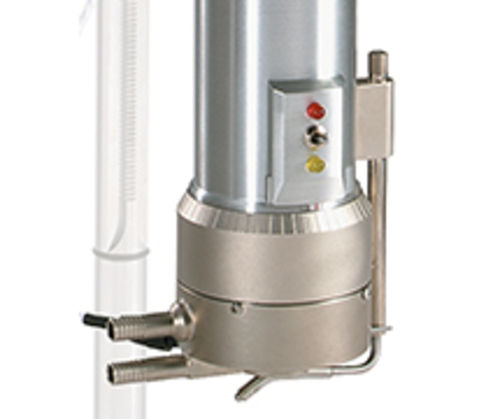
Cone Plate Wells Brookfield Viscometer
Price Range 300000.00 - 600000.00 INR / Piece
Minimum Order Quantity : 1 Piece
Display Type : Other, Digital
Power Supply : 230 V10% AC, 50 Hz Single Phase
Material : Stainless Steel (SS) and hard anodized aluminum
Frequency : 50 Hz
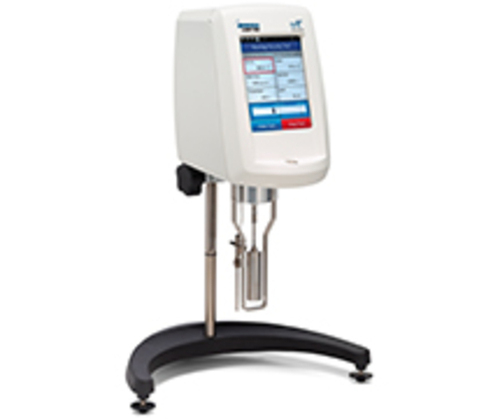
DV2T Touch Screen Viscometer
Price Range 300000.00 - 600000.00 INR / Piece
Minimum Order Quantity : 1 Piece
Display Type : Other, 7inch FullColor Touch Screen Display
Power Supply : 100240V AC, 50/60 Hz
Material : Stainless Steel Spindle, durable housing
Frequency : 50/60 Hz
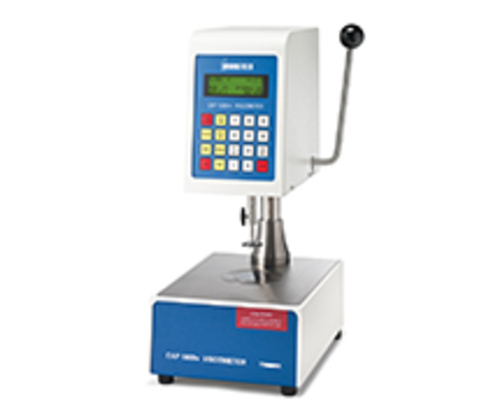
CAP1000 Viscometer
Price Range 300000.00 - 600000.00 INR / Piece
Minimum Order Quantity : 1 Piece
Display Type : Other, Digital LCD
Power Supply : 110V/230V, 50/60Hz AC
Material : Stainless steel sample cup, Polycarbonate casing
Frequency : 50/60 Hz
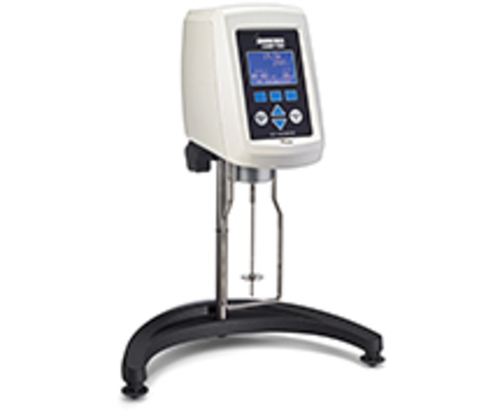
DV1 Digital Viscometer
Price Range 300000.00 - 600000.00 INR / Piece
Minimum Order Quantity : 1 Piece
Display Type : Other, Digital LCD Display
Power Supply : 220 V 10%, 50 Hz
Material : Stainless Steel (Rotor & Spindle)
Frequency : 50/60 Hz


 Send Inquiry

Our Products
- Lovibond Colour Measurement Instruments
- Lovibond Water Testing Equipments
- Water Purification Systems
- SOCOREX Precision Liquid Volumetry
- Laboratory Viscometers
- Rheometers
- BLUESEN SMART WATER ANALYZERS
- Testing and Measuring Equipment
- Online Turbidity Meter
- Electrical Testing and Measuring Equipment
- Multifunction Meter
- Measuring tools and Equipment
- Digital Sensor

Plot No. 6, Club Drive, M.G. Road, GhitorniNew Delhi - 110030, India

Mr Sumit Bhatia
(Director)
Mobile :08045477157
 Send Inquiry
 Send SMS
 Call Me Free
Developed and Managed by Infocom Network Private Limited.
 English
 Spanish
 French
 German
 Italian
 Chinese (Simplified)
 Japanese
 Korean
 Arabic
 Portuguese